




What Paper Trading Is and Why Prop Firms Like It
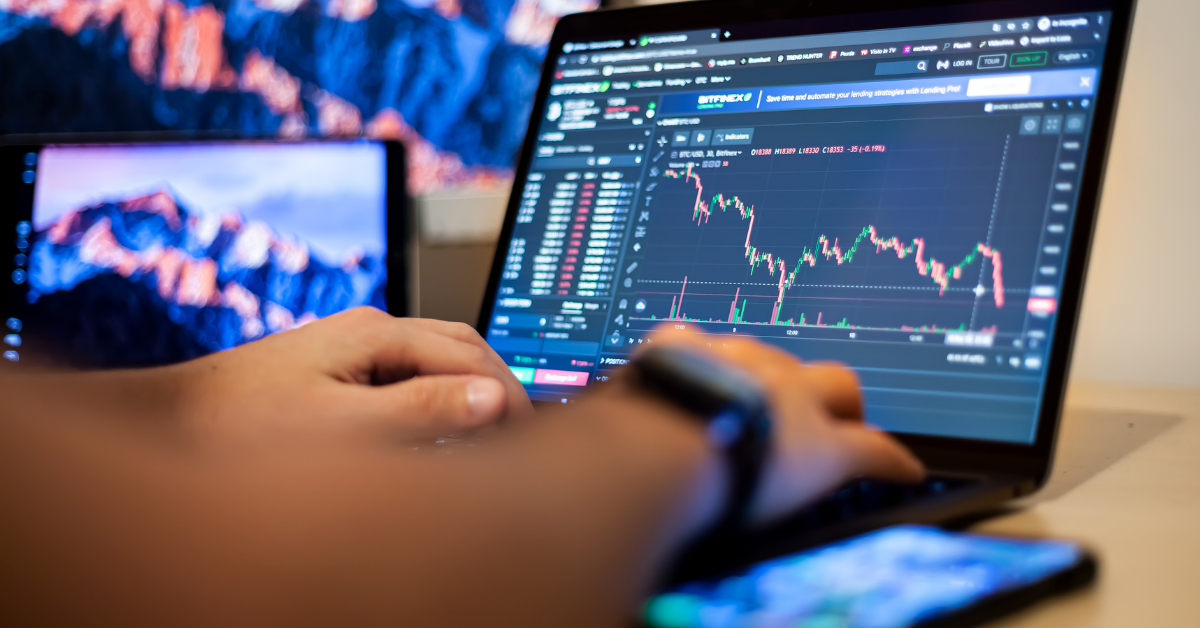
Paper trading, or what is paper trading, refers to fake trading where you use pretend money rather than actual capital. You trade as in real life entering, exiting, placing stop losses, taking profit but lose nothing, not a cent. This is where the new futures trader starts: learning about platform mechanics, contract specifics, order types, and experimenting on a platform without losing any real money. The stress component is minimal, and therefore you can proceed and toy around, mess up, learn from mistakes, and get used to it before using it in the live markets.
How Paper Trading Works
Paper trading typically involves the use of a demo or simulation account of a trading site. They simulate the action of real markets, occasionally with live or delayed data, so you can put in test trades and see how they perform. You are viewing profits and losses, drawdowns, and commissions some sites omit commissions and you are controlling risk like in actual trading. If you prefer to trade as nasdaq futures trading is going on, paper trading allows you to see how futures contracts act on heavy‑volume, crazy sessions and see how slippage, latency, and spread widenings might impact your outcome when the market is "live."
Advantages of Paper Trading for New Traders
Paper trading has certain necessary advantages. First, it's risk-free learning: you can experiment with various techniques, patterns, and entry/exit criteria without losing your money. Second, it introduces you to the platform order types, contract sizes, tick values, margin settings, rollovers which most beginner traders overlook until it costs them valuable mistakes. Third, building confidence: seeing dummy trades work makes you psychologically stronger. Fourth, strategy testing: you can test your strategy by pretending to trade under varying market conditions, even chaotic ones during nasdaq futures trading hours, and observe how it performs. Finally, it helps you develop good habits journaling trades, using stop losses, risk management, and not over‑trading.
Drawbacks and What It Doesn't Teach
While paper trading is worthwhile, it is not perfect and does have some drawbacks. Its largest one is emotional disparity: loss hurts, and that affects behavior something paper trading just can't possibly do. And most simulations don't even factor in slippage, fill delays, fees, or commission costs; your simulation trading outcomes will be better than your real live trading as a result. During blowout situations like nasdaq futures hours, honest price action and liquidity constraints will sanction poor execution, which is often not fully replicated in paper trading. The perception of such limitations prevents overconfidence in actual trading.
Paper Trading Futures: Special Factors
When paper trading futures, there are some other things to consider. Futures contracts have margin requirements, tick sizes, rollovers, and expiration dates. These have to be accomplished realistically so that what you're seeing is a realistic reflection of what's happening. A good instance is, when you're nearing expiration in a contract, liquidity can dip or roll-costs could be huge. Also, with live futures trading, mark-to-market means your account is winning and losing money on a daily basis. For new futures traders, paper trading needs to mimic realistic margin calls or bad trades so that you feel the risks. If you don't mimic these, your practice can give you a false sense of security.
Why Prop Firms Appreciate Paper Trading
Prop firms hold paper trading or mock evaluation phases in high esteem for a number of strategic reasons. First, it is a screen: they can experiment to see if a trader is able to observe rules, implement strategy, and contain risk before they risk firm capital. Second, it limits losses: allowing traders to blow up imaginary accounts instead of firm capital. Third, it enables firms to observe consistency over time and across scenarios, even during tumultuous windows such as nasdaq futures trading windows, to determine if a trader has his wits about him when under pressure. Fourth, discipline is built: following written rules, respect for risk, refraining from emotion-driven decision-making. Lastly, it syncs expectations: the firm and the trader observe what is achievable vs. what is best.
How to Use Paper Trading Most Effectively
To get the most out of paper trading, be self-controlled. Play it like real money: risk a known amount per trade, place stop-loss and take-profit orders, record each trade with rationale and outcome, watch drawdowns. Simulate fees, slippage, actual-world fills. Especially if you plan to trade when nasdaq futures are open, test your strategy under such conditions so that you can observe how spread and volatility behave. Trade live only after having some history under such controlled conditions. Apply the same position sizing rules, risk per trade, and risk/reward ratios in paper trading as in a funded or live account.
How to Choose Good Prop Firms for Futures
When the time has finally arrived to transition away from paper trading, finding a prop firm is an important decision. Look for firms with truthful terms: truthful profit sharing, truthful risk / drawdown limits, and good contract protection. Make sure they are real (not virtual) data feed and order fill friendly, particularly in the nasdaq futures trading session, so what you practiced is what you trade. The platform must also offer trading tools, charts, and even mentorship. Avoid prop firms which offer hidden fees, confusing payout structures, or offer large amounts of capital with poor risk management. A proper prop firm should appreciate your education, enable you to develop, and encourage the big picture over hype.
Last Thoughts
Paper trading is one of the best tools in the beginner futures trader's toolkit. It allows you to train, test, and practice with risk without risking actual capital. Prop shops enjoy it because it is beneficial to both the firm and the trader: develop skills, test discipline, check consistency, and save capital. But paper trading is not sufficient alone—you need to simulate real conditions as much as possible, trade in volatile times such as Nasdaq futures trading hours, and leverage it as a stepping stone towards a funded account. With discipline, patience, and prudent selection of the best prop firm for futures, your shift from paper to actual trading can be smoother and more enduring.

Leave a Reply